Home / Healing Autistic Burnout
New Book!
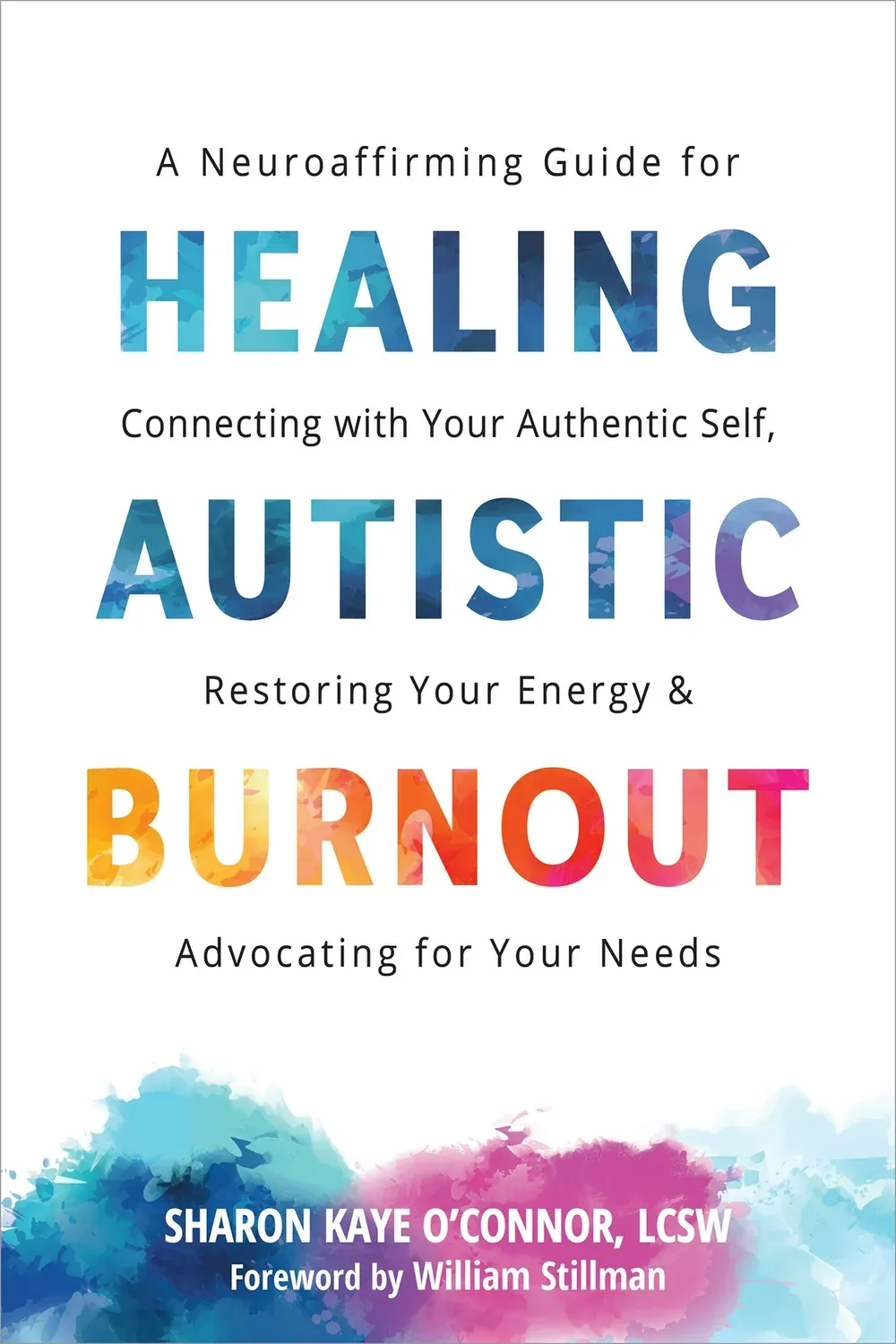
Healing Autistic Burnout
A Neuroaffirming Guide for Connecting with Your Authentic Self, Restoring Your Energy, and Advocating for Your Needs
I wrote Healing Autistic Burnout (New Harbinger, February 2026) as a self-help guide for autistic adults recovering from autistic burnout (sometimes called autism burnout), including emotional overwhelm, sensory overstimulation and mental exhaustion. I’m Sharon Kaye O’Connor, LCSW, an autistic psychotherapist, and the book offers neuroaffirming strategies for rest and recovery, self-awareness and advocating for your needs.
Published by New Harbinger Publications in February 2026. Available at Barnes & Noble, Amazon and other booksellers.
Featured In:


Overview
If you are autistic, you may struggle with the stress of everyday life. You might mask—or attempt to appear as neurotypical—in order to get through the day at school, work, or even with friends. The world may feel overwhelming—full of noises, smells, and textures that trigger your sensitivity. And, finally, you may feel like you are constantly bending to others’ expectations, and always putting your own needs last. Is it any wonder, then, that you are experiencing burnout?
Healing Autistic Burnout offers mindfulness and self-reflective exercises to help you overcome the symptoms of autistic burnout—including emotional overwhelm, sensory overstimulation, and mental exhaustion. With this powerful guide, you will find neuroaffirming strategies to nurture rest and recovery, cultivate greater self-awareness and understanding, and advocate for your needs. You’ll also find tips and tools to help you preserve your energy, stay present in the moment, improve communication with others, set boundaries when needed, and tune in to your individual needs and strengths…

Additional Book
Academic and Student Affairs in Collaboration: Creating a Culture of Student Success
Sharon Kaye O’Connor is a co-author of this book, edited by Mitchell A. Levy and Bernard A. Polnariev.
Routledge (2016)
In Their Words
Reflections from individuals and families who have worked with Sharon, shared in their own words.
“She makes you feel seen”
— Reader
“Sharon gave me permission to listen to my nervous system and honor it.”
— Reader
“Sharon’s brilliant and gentle guide to navigating life as an autistic person is healing, inspiring and poetic.”
— Reader
“Her knowledge and careful attention to details have equipped our teachers with concrete tools and strategies to support our students in the classroom”
— Educator
“The absolute best book out there for Autistic/AuDHD folks…who are struggling with burnout.”
— Reader
“As a mother of a child on the spectrum this book helped ease my mind and made me connect with my child on a different level.”
— Reader
Frequently Asked Questions
What is autistic burnout?
Autistic burnout is when an autistic person reaches a state of mental, physical, emotional, and energetic exhaustion after spending years masking, managing sensory discomfort, keeping up with life’s demands, and trying to manage in a world that wasn’t created with our needs in mind.
What does autistic burnout feel like?
It can include emotional overwhelm, sensory discomfort, feelings of depletion, and mental exhaustion, often after long periods of masking and bending to others’ expectations.
How do you recover from autistic burnout?
We can recover from autistic burnout by identifying what aspects of our lives may be contributing to burnout, and making adjustments wherever we can to make our daily lives a bit more in line with our needs. In my book Healing Autistic Burnout, I share mindfulness and self-reflection exercises, plus neuroaffirming strategies to nurture rest and recovery, conserve energy, set boundaries and advocate for your needs.
Is autistic burnout the same as depression?
Autistic burnout is not the same as depression, but autistic burnout can often resemble depression, co-occur with depression or cause symptoms of depression. Together we can explore your experience to make sense of what you are feeling.
How long does autistic burnout last?
It can be difficult to predict just how long autistic burnout will last, because the length of a burnout depends on a variety of factors. Our mission together is to identify what may be contributing to your autistic burnout, what you need during this time, and adjustments and accommodations that would be supportive for you in your recovery.
Who is the book for?
I wrote the book for autistic adults who have ever experienced autistic burnout. For non-autistic folks who love, care for or support an autistic person, the book can provide insight into our lived experiences.
Not Sure Where to Start?
You don’t need to have everything figured out before reaching out. If you’re unsure which type of support fits best, we can talk it through and take the next step together.